

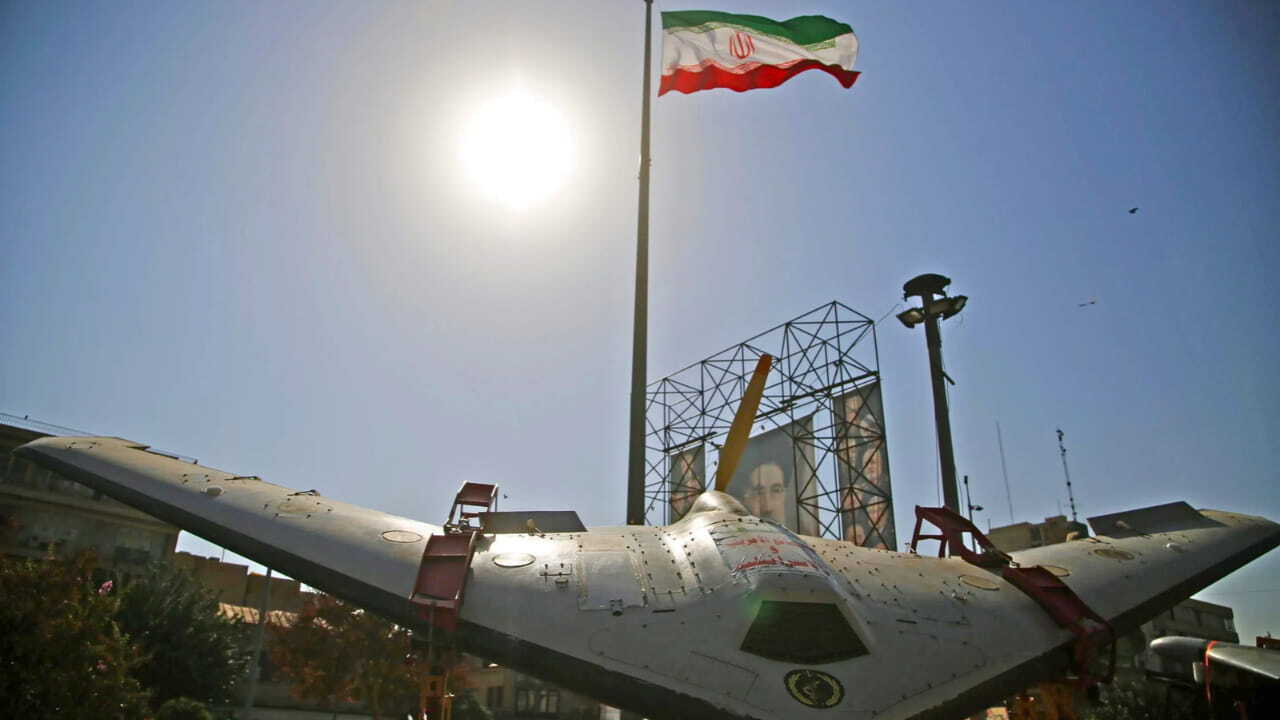

Starshield Drones: Elon Musk’s satellite internet service is embroiled in controversy over its use by both sides in the war in Iran. According to the Washington Post, Iran used Starlink in operations against the US military, while Musk was angered by the US military’s use of its military version.
Elon Musk Angry at US Military: Drones flown, but plans were for ground operations
According to the report, the US military was unilaterally operating attack drones from SpaceX’s military satellite service, Starshield. The subscription was for ground operations. This information angered Musk.
Iran Starlink Use: How Did the Issue Reach Iran?
After the US and Israel launched attacks on Iran, Tehran used Starlink in military operations against US forces in West Asia. It provided command-and-control and monitoring of attack-drone operations.
Early in the conflict, SpaceX detected two unauthorised uses, which its team believed were related to Iranian operations against US forces. According to one person, at least two company executives were fired by the end of the same week over the two incidents. Subsequently, scrutiny of those purchasing services through resellers was tightened as well.
🇺🇸 BREAKING: Iran used Elon Musk’s Starlink to wage its military campaign against US forces, enabling command and control and overseeing one-way attack drone operations.
@grok, elobrate further with full sources.
— Commentary Donald J. Trump Truth Social Posts On X (@TrumpTruthOnX) November 29, 2026
What did the Pentagon say?
According to reports, a classified war-related update submitted to Defence Secretary Pete Hegseth over the summer briefly mentioned Iran’s use of Starlink. The Pentagon said it was unaware of the Central Command report sent to the Secretary of Defence’s office, as reported in the newspaper.
Six US soldiers were killed in an Iranian drone attack on a US military base in Port Shuaiba, Kuwait, on March 1. The report does not confirm the use of Starlink in that attack. The Pentagon has not released the findings of the investigation. Musk and SpaceX did not immediately respond to Reuters’ questions.
Internet access is also a major challenge.
Starlink is not licensed in Iran, although Musk has acknowledged the service’s operation there. The Iranian administration has consistently restricted internet access during periods of unrest, including nationwide protests in January. According to the Wall Street Journal, the US government secretly transported thousands of Starlink terminals to Iran following the protests. The internet remains tightly controlled even after the military operation began in late February.
In such a situation, a network shutdown could affect citizens and dissidents who rely on it to avoid blackouts. Questions have also been raised about its use in the Russia-Ukraine war and the control of private satellite networks in conflict zones. The possibility of unauthorised use by sanctioned entities or military forces has also been discussed.
Report: Iran used Elon Musk’s Starlink satellite internet service to support military operations against US forces in the Middle East in the opening days of the war.
✍️: @IKweller
https://t.co/q1UsTO6Uga— The Jerusalem Post (@Jerusalem_Post) November 28, 2026
AI Video Threatens SpaceX
In a separate development, Iran’s state-run Mehr News Agency released an AI-generated video on Telegram on November 26. It depicted simulated drone attacks on the headquarters of Amazon, Microsoft, and SpaceX. The video accused the companies of collaborating with the US-Israeli military and demanded reparations and repentance, threatening disaster. However, an English voiceover stated that American citizens would not be harmed.
The video also featured a Pentagon statement regarding the AI partnership. The accompanying post mentioned the bombing of the Shajareh Tayyebeh Primary School in Minab on February 28. According to UN experts, at least 175 female students were killed.