
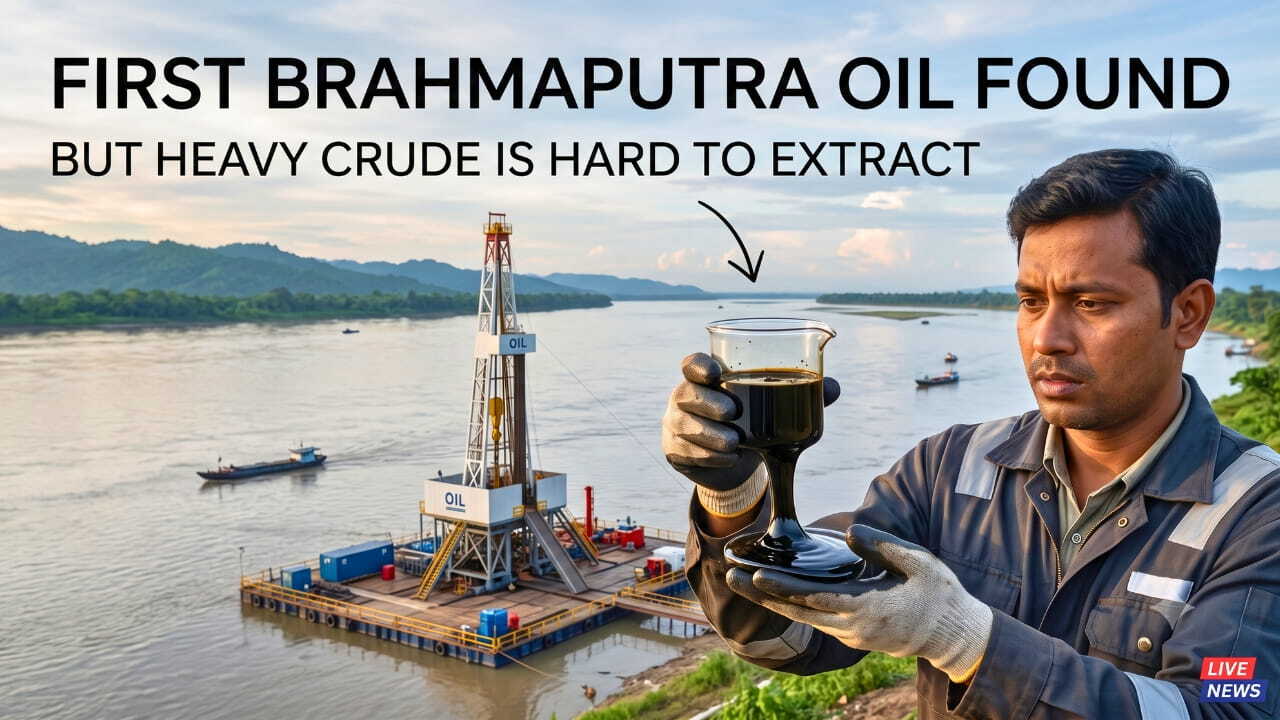

For the first time, crude oil has been discovered north of the Brahmaputra in Assam. Because the oil is heavy, it is difficult to extract it from the ground. Oil companies are now exploring this issue using foreign technology.
First Major Discovery North of the Brahmaputra
Oil has made a significant discovery in the Jonai area of Dhemaji district in Assam. At Kobochapori, the company has detected hydrocarbons for the first time in the northern part of the Brahmaputra River. This breakthrough came after extensive oil exploration and seismic surveys. The company is now closely studying the data from this site. This discovery has raised new hopes for future oil and gas prospects north of the Brahmaputra.
Oil Found 4,300 Meters Below
Oil conducted extremely deep drilling to find oil in Kobochapori. The well drilled here reaches a depth of more than 4,300 meters underground. Drilling at such depths is considered technically challenging. Significantly, the entire area is bordered by rivers and characterised by difficult geological conditions. Despite this, the company has established the presence of hydrocarbons at this depth.
Crude Found, But the Story Doesn’t End There
The news of the oil discovery is certainly a major achievement, but the real challenge for OIL begins now. According to the company, the crude oil found at Kobochapori is very heavy, preventing it from easily reaching the surface. Conventional production techniques have not ensured a continuous flow of oil. Therefore, merely proving the presence of oil is not enough. Now the company must find a technology capable of extracting it commercially.
Oil Eyes Global Technology
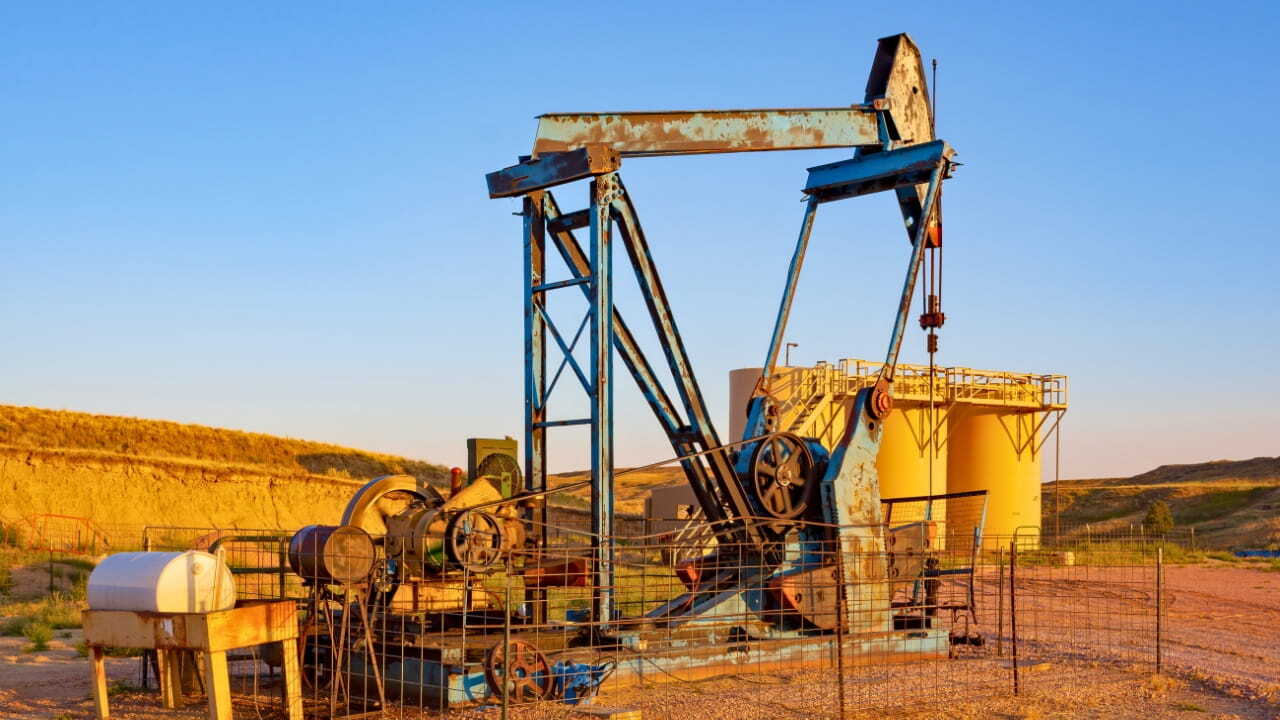
To extract heavy crude from the ground, Oil Eyes is now also looking at technologies available outside India. The company aims to develop a technical system that ensures a continuous flow of oil from the well. To this end, modern extraction techniques used globally are being studied. If an effective solution is found, it could pave the way for commercial production of the Kobochapori discovery.
A decision won’t be made based on just one well.
Oil is not in favour of immediately starting large-scale oil production based on this discovery. The company plans to drill several more wells in the area. These additional wells will help determine the extent of the underground oil reserves and their behaviour in different locations. The company will also examine both technical and economic aspects. Only then will it be decided how profitable large-scale production will be.
A Block Spread Over 524 Square Kilometres
The block of which Kobochapori is a part spans approximately 524 square kilometres. This block includes the Dhemaji, Tinsukia, and Dibrugarh districts of Assam. A small portion also lies within the East Siang district of Arunachal Pradesh. The unique feature of this entire area is that a large portion lies within or near the Brahmaputra River. Therefore, oil exploration here is significantly different and more difficult than in normal areas.
Drilling in a Riverine Area: A Major Challenge
The geography surrounding the Brahmaputra River poses a significant challenge for oil exploration. Exploring for oil amidst rivers, marshy terrain, and difficult terrain requires greater caution and technical preparation than usual. Drilling to a depth of over 4,300 meters was conducted in this challenging environment at Kobochapori. Now, if production is to commence here, the company will have to develop technical solutions that account for both the heavy crude and the area’s geographical conditions.
Searching for Oil Beneath Dibru-Saikhowa
Oil exploration in Assam is not limited to Kobochapori. The company is also working on a plan to reach the hydrocarbon reserves beneath the Dibru-Saikhowa National Park. In this regard, the company has proposed Extended Reach Drilling (ERD). The company states that drilling infrastructure can be located outside the protected area and wells can be extended underground. The Supreme Court has allowed the company to file a new petition.