
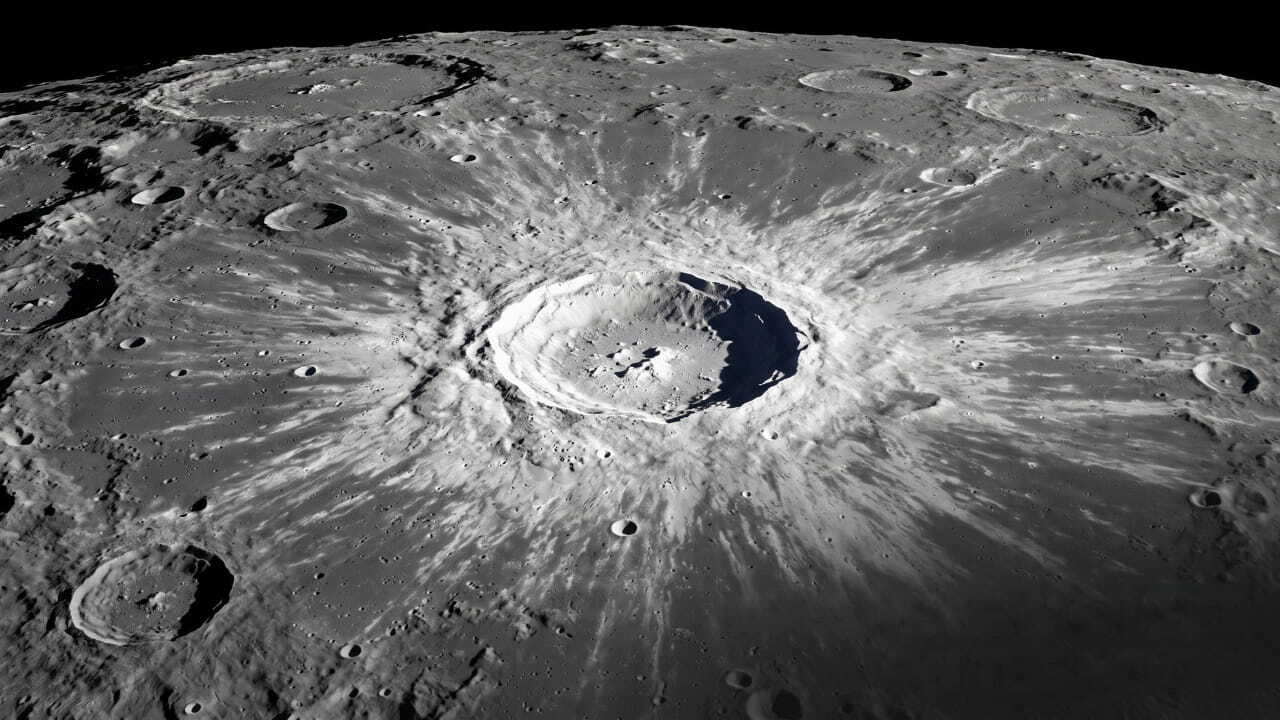

McGetchin crater on the Moon: NASA’s LRO captured images of the area in May 2024, but due to the sheer volume of data, this change was not immediately noticed. In October 2025, scientist Robert Wagner noticed an unusually bright pattern on the lunar surface in the LRO images.
New Impact Crater Found on the Moon
The Moon is often considered a calm and stable world, but a NASA discovery has changed this perception. NASA’s Lunar Reconnaissance Orbiter (LRO) has discovered a new crater on the lunar surface, the largest known new impact crater in the solar system in recent times. Surprisingly, this crater formed suddenly. No telescope from Earth could detect it at the time.
The crater is as wide as two football fields.
According to NASA, this new crater has been named McGetchin Crater. Its diameter is approximately 728 feet (222 meters). Its depth is approximately 141 feet (43 meters). This means its width is approximately the length of two football fields. According to NASA scientists, this crater is larger than the Roman Colosseum.
When did the crater on the Moon form?
Scientists estimate that the space rock that created it may have been part of an asteroid or comet. Its size could be approximately the size of a three- to six-story building. This object struck the Moon between April 11 and May 22, 2024.
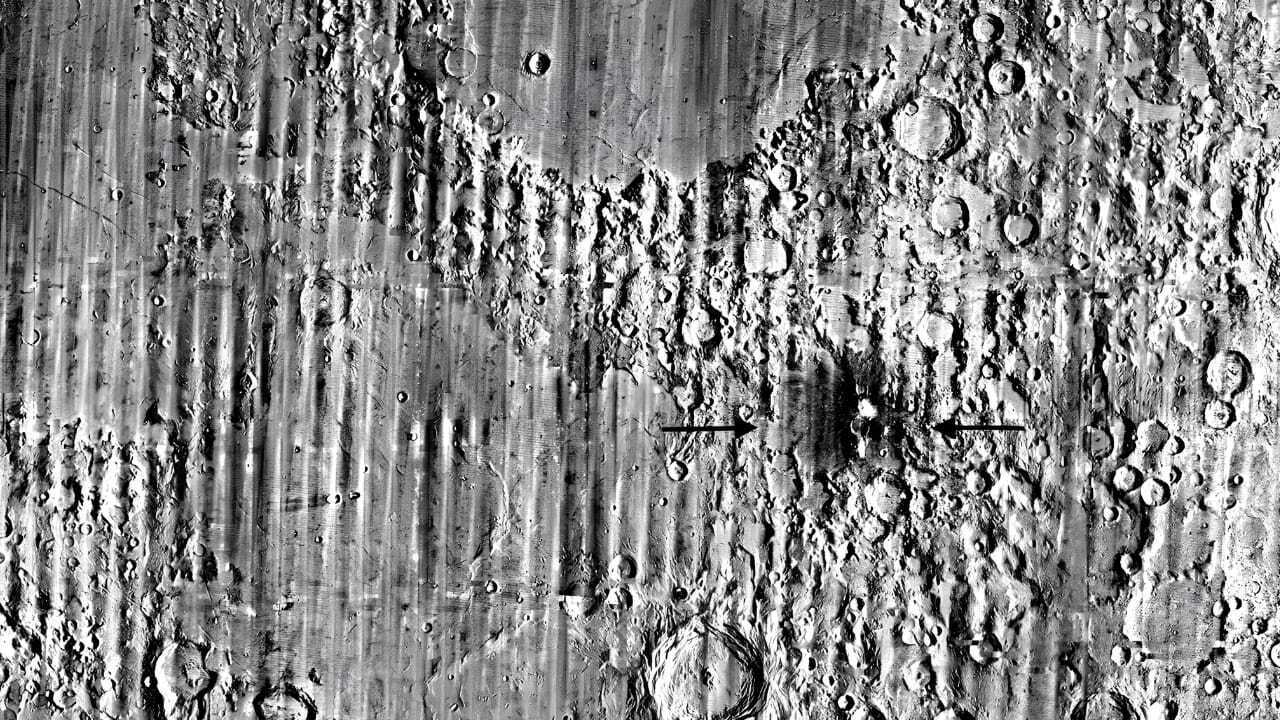
The incident occurred in 2024, but it was discovered in 2025.
Most interestingly, no telescope directly observed this object as it hit the Moon at the time. NASA’s LRO took images of the area in May 2024, but due to the sheer volume of data, this change was not immediately noticed. In October 2025, scientist Robert Wagner observed an unusually bright pattern on the Moon’s surface in LRO images. Comparing old and new images revealed that a new crater had formed there.
Impact Spread Over 100 Kilometres
The impact wasn’t limited to the crater. According to NASA scientists, the dust and rocky material ejected from the impact affected an area of more than 100 kilometres on the lunar surface. Loose soil and rocky debris were thrown all over the Moon.
Such an explosion also alters the lunar soil.
This impact also altered the composition of the lunar soil, or regolith. A study conducted with NASA’s Diviner instrument revealed a cold zone approximately 4 miles (7 kilometres) wide around the crater. At night, the surface here was approximately 16 degrees Fahrenheit colder than the surrounding area. Scientists believe that the impact loosened the soil, making it less dense and less able to trap heat. This explains why the temperature in this area was found to be lower than the surrounding area.